By DrBayer.com Editorial Team
Disclosure: This article may contain affiliate links. If you click a link and make a purchase, we may receive a commission at no additional cost to you. All opinions remain our own.
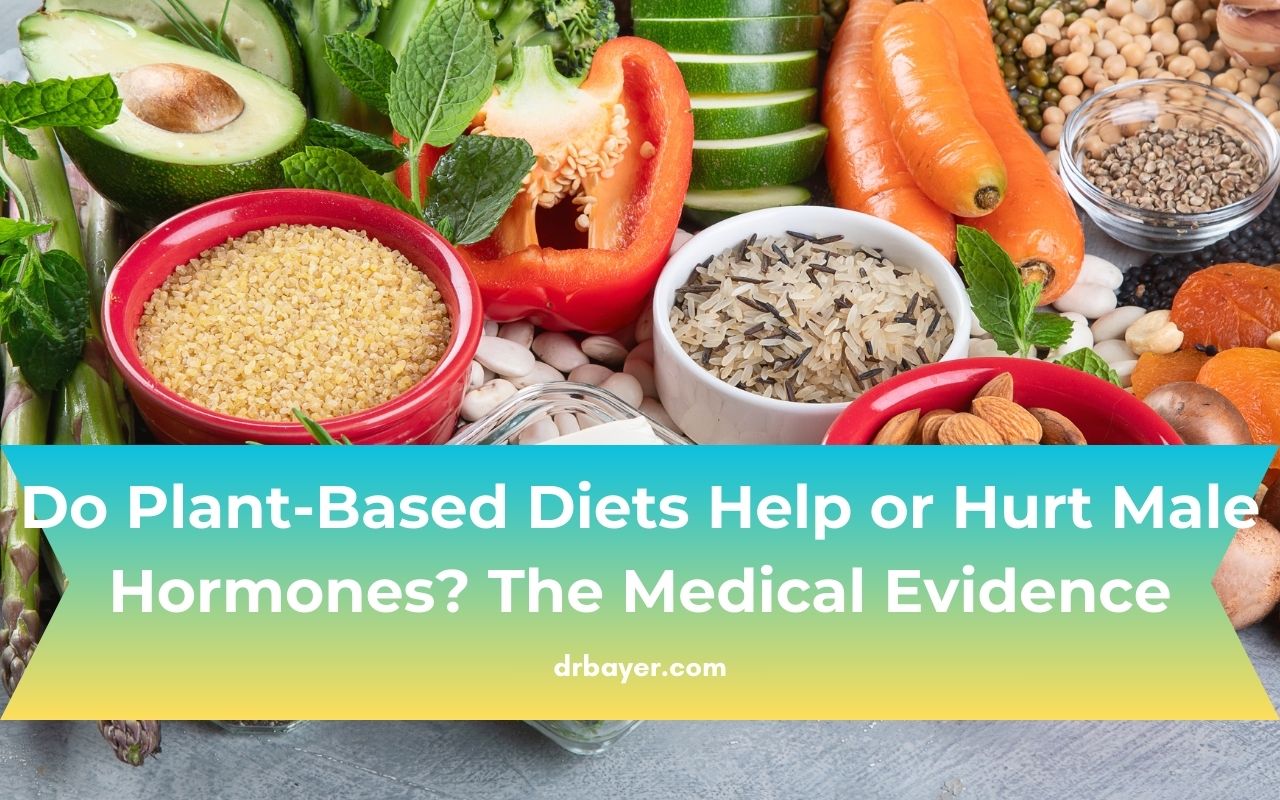
In recent years, there has been a significant shift towards plant-based diets, fueled by growing awareness of health benefits and environmental concerns. Among men, however, a common question arises: do these diets impact male hormones, particularly testosterone levels? This article meticulously examines the medical evidence to explore whether plant-based diets are beneficial or detrimental to male hormonal health.
The concern surrounding testosterone levels in men is paramount, as this hormone plays a critical role in various facets of health, including muscle mass, mood, and sexual function. Traditional dietary wisdom often suggests that animal protein is essential for maintaining healthy testosterone levels. However, as research emerges, it becomes increasingly clear that plant-based diets do not compromise men's hormonal health. On the contrary, a growing body of evidence suggests that these diets can support and even enhance testosterone levels.
Studies indicate that men who adopt a vegan or predominantly plant-based diet experience testosterone levels comparable to those who consume diets rich in animal protein. A study conducted by the University of Miami found no significant differences in testosterone levels between men adhering to plant-based diets and those consuming meat. This research challenges the long-held belief that animal protein is necessary for maintaining healthy hormone levels. It reveals that men can achieve optimal testosterone levels without relying heavily on meat and dairy products, which often contribute to higher saturated fat intake.
Moreover, the notion that plant-based diets lack sufficient protein or essential nutrients to support hormone production is unfounded. Plant-based foods are rich in antioxidants, vitamins, and minerals that promote overall health and hormone balance. For instance, foods such as legumes, nuts, seeds, and whole grains provide ample protein and healthy fats, critical for testosterone synthesis. Additionally, micronutrients like zinc and magnesium—found abundantly in plant sources—are essential for maintaining healthy testosterone levels. A diet rich in these nutrients not only supports hormone production but also reduces the risk of conditions associated with low testosterone, such as obesity and cardiovascular disease.
Interestingly, a common misconception is that soy products, which are integral to many plant-based diets, negatively influence testosterone levels due to their phytoestrogen content. However, research has dispelled this myth, showing that soy consumption does not adversely affect testosterone. Instead, it can contribute positively to overall health when consumed in moderation. Studies suggest that men consuming soy products, such as tofu and tempeh, exhibit testosterone levels comparable to those who avoid these foods altogether. This underscores the fact that adopting a plant-based diet does not inherently lead to hormonal imbalances.
In fact, there is evidence suggesting that the high fiber content of plant-based diets may be beneficial for testosterone levels. High fiber intake is associated with lower levels of estradiol, a hormone that can negatively affect testosterone production. By incorporating a variety of fruits, vegetables, and whole grains into their diets, men can promote hormonal balance while enjoying numerous health benefits. The dietary fiber found in these foods aids digestion, regulates blood sugar levels, and contributes to a feeling of fullness, which can be pivotal for those looking to manage weight and reduce body fat—factors known to influence testosterone levels.
Additionally, research indicates that plant-based diets may support improvements in overall metabolic health. Conditions such as obesity and diabetes are closely linked to low testosterone levels. By prioritizing whole, plant-based foods, men can reduce their risk of developing these conditions, thus indirectly supporting their hormonal health. A study published in the journal Nutrients concluded that plant-based diets foster the presence of gut hormones that help with insulin sensitivity and glucose regulation, crucial for maintaining a healthy weight and balanced hormone levels.
Furthermore, a plant-based diet has been linked to reduced oxidative stress and inflammation, both of which can negatively impact testosterone production. Antioxidants from fruits and vegetables help combat oxidative stress, promoting better overall health. This, combined with the anti-inflammatory properties of plant-based foods, creates a favorable environment for hormone synthesis.
Beyond testosterone, there are other aspects of male hormonal health to consider. Research shows that a plant-based diet can positively influence aspects of sexual and reproductive health. In a recent study involving men treated for prostate cancer, those adhering to a plant-based diet reported fewer instances of erectile dysfunction and better overall sexual health. The findings revealed that participants who consumed the highest proportions of plant-based foods scored significantly better in measures of sexual function compared to those consuming the least. This highlights the potential of plant-based diets to enhance not only testosterone levels but also broader sexual health outcomes.
Moreover, the mood-boosting benefits of a diet rich in plant-based foods should not be overlooked. A diet devoid of animal products can help alleviate symptoms of anxiety and depression, which are crucial for maintaining hormonal balance. The nutritional profile of whole plant foods, teeming with vital vitamins and minerals, supports brain health and emotional well-being. When men feel better emotionally, it can have a direct impact on physical health, including libido and energy levels.
While there are numerous benefits associated with adopting a plant-based diet for male hormonal health, it is essential to approach this dietary change holistically. Engaging in regular physical activity, managing stress, and ensuring adequate sleep are equally critical components of maintaining healthy testosterone levels. These lifestyle factors can significantly amplify the benefits derived from a plant-based diet and contribute to overall well-being.
In conclusion, the evidence increasingly supports the assertion that plant-based diets do not harm male hormones; rather, they can help maintain, and potentially enhance, testosterone levels while promoting overall health. Men can confidently make the switch to a more plant-centric lifestyle, knowing that it does not entail sacrificing their hormonal health. Instead, they can look forward to the myriad benefits that come from embracing whole, nutrient-dense plant foods, ranging from improved physical health to enhanced emotional well-being.
If you're considering transitioning to a plant-based diet or simply wish to incorporate more plant foods into your meals, remember that small changes can lead to significant improvements in your health. Aim to replace processed foods with whole, minimally processed plant foods, and make adjustments at your own pace. Consult with a healthcare provider or nutritionist if necessary, and be open to exploring new recipes and cooking methods that can make this journey enjoyable and fulfilling. Embrace the positivity that comes from nourishing your body with foods that are studied for its potential to support a healthier, happier life.
For more insights into how plant-based diets can confer health benefits and improve men’s hormonal health, you may visit the following resources: Physicians Committee for Responsible Medicine, New York University Langone Health, and Medical News Today.
*These statements have not been evaluated by the Food and Drug Administration. This product is not intended to diagnose, treat, support, or prevent any disease. Always consult with a qualified healthcare professional before starting any new supplement or health program, especially if you have existing medical conditions or take prescription medications.
Medical Disclaimer: This content is for informational purposes only and does not constitute medical advice. Always consult a qualified healthcare provider before starting any supplement, medication, or treatment program. Individual results may vary.
This article is for general information purposes only and does not constitute medical advice. Consult your doctor or qualified healthcare provider before making changes to your health routine.
Related Articles
- TurboMan Review 2026: Clinical Findings, Pricing, and Formula Gaps
- Doctor-Approved Natural Strategies for Supporting Male Performance & Confidence
- The Future of Natural Male Enhancement: Integrating Science with Traditional Remedies