By DrBayer.com Editorial Team
Disclosure: This article may contain affiliate links. If you click a link and make a purchase, we may receive a commission at no additional cost to you. All opinions remain our own.
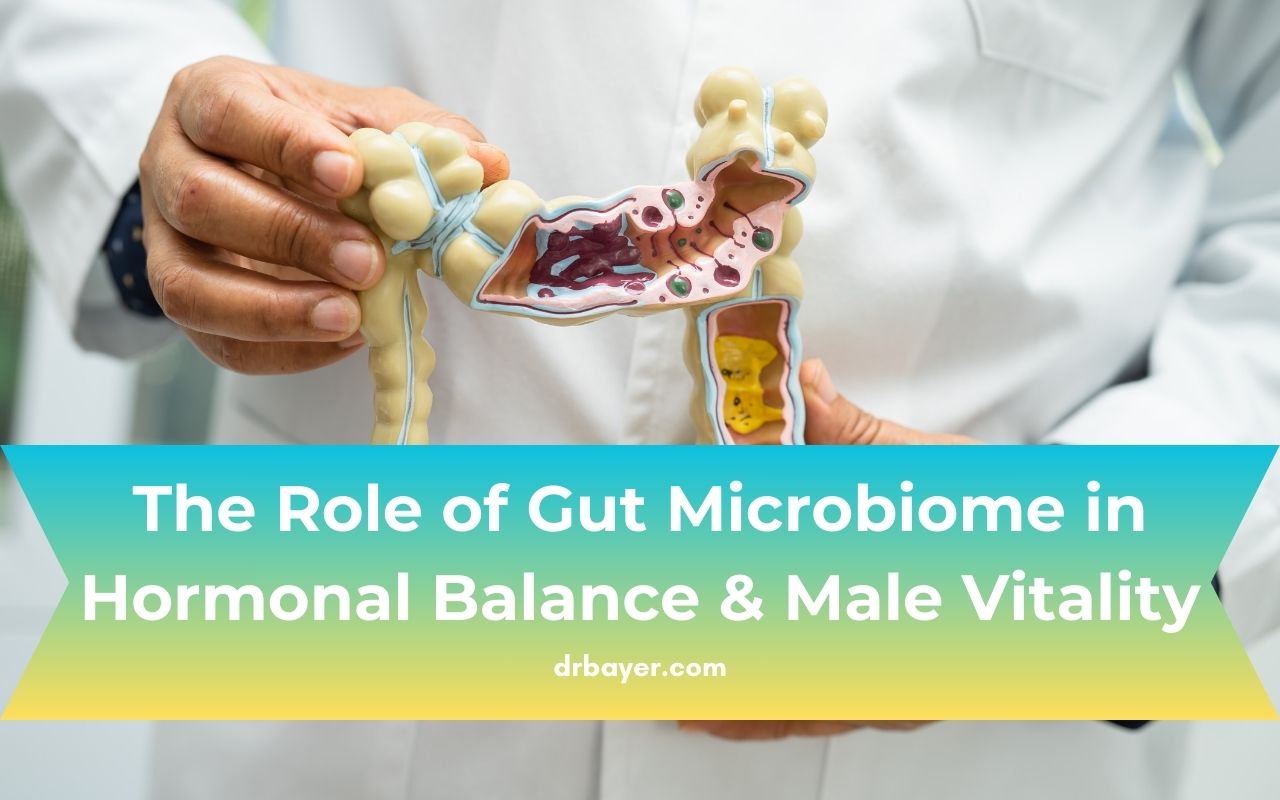
The intricate relationship between the gut microbiome and hormonal balance has gained increasing recognition in the field of health and wellness. For men, the implications of this connection are profound, impacting not only hormonal levels but also overall vitality, reproductive health, and mental well-being. The gut microbiome, a complex ecosystem of trillions of microorganisms residing in the gastrointestinal tract, plays a crucial role in various body functions, including digestion, immune response, and hormone regulation. To understand the significance of this relationship, it is essential to delve deep into how the gut microbiome influences hormonal balance, specifically in relation to male vitality.
Emerging research indicates that hormonal imbalances can significantly hinder male vitality, leading to not only physical symptoms such as fatigue and reduced libido but also psychological challenges like anxiety and depression. Testosterone, the primary male sex hormone, is intricately tied to various bodily functions, from muscle mass and bone density to mood regulation and energy levels. However, what many people fail to realize is that the health of the gut microbiome plays a fundamental role in regulating testosterone and other critical hormones.
One of the primary ways the gut microbiome influences hormone levels is through the metabolism of steroid hormones. Gut bacteria possess enzymes that can metabolize these hormones, altering their structure and function. For instance, certain bacterial species in the gut can produce β-glucuronidase, an enzyme that deconjugates estrogen metabolites, allowing them to re-enter circulation in their active forms. This process is part of what is known as enterohepatic circulation, where hormones are recycled rather than excreted, leading to elevated hormone levels that can disrupt balance.
In men, maintaining optimal testosterone levels is crucial for overall health and vitality. Research has shown that low testosterone levels are associated with an increased prevalence of metabolic diseases, depression, and reduced physical performance. A healthy gut microbiome can help regulate these levels by fostering the growth of beneficial bacteria that support testosterone production and metabolism. For instance, higher testosterone levels have been correlated with increased abundance of specific gut bacteria, such as Ruminococcus, which aids in the digestion and absorption of nutrients. Conversely, an unhealthy microbiome may lead to dysbiosis, characterized by an imbalance in the gut flora, which can adversely affect hormone levels and overall health.
Dysbiosis is often exacerbated by lifestyle factors such as poor diet, sedentary behavior, and chronic stress. Diet plays a pivotal role in shaping the gut microbiome, as the food we consume directly influences the composition and diversity of gut bacteria. Diets high in processed foods, sugars, and unhealthy fats can lead to decreased microbial diversity, which is linked to various health issues, including hormonal imbalances. On the other hand, diets rich in whole foods, fiber, and fermented products help nurture a diverse microbiome that supports hormonal health. Incorporating prebiotics and probiotics into one’s diet is particularly beneficial. Prebiotics, found in foods like garlic, onions, and bananas, serve as food for beneficial gut bacteria. Probiotics, on the other hand, can be sourced from fermented foods like yogurt, kefir, sauerkraut, and kimchi, which introduce live beneficial bacteria into the gut.
The impact of the gut microbiome on hormonal balance extends beyond testosterone. Estrogen, while typically recognized as a female hormone, is also present in men and plays vital roles in various bodily functions. The gut microbiome influences estrogen metabolism and excretion, thus affecting its levels and activity in the body. A healthy microbiome promotes the optimal functioning of the estrobolome, the collective bacteria responsible for metabolizing estrogen. Imbalances in the gut can result in altered estrogen levels, leading to conditions like estrogen dominance, which is associated with numerous health issues, including weight gain, mood disorders, and even increased risk of certain cancers.
Research shows that the interplay between sex hormones and gut microbiota is complex, with significant implications for male reproductive health. Conditions such as erectile dysfunction, infertility, and decreased libido have been linked to hormonal imbalances potentially influenced by gut health. Furthermore, the gut-brain connection enhances the understanding of how gut microbiota can affect mood and mental health by modulating the levels of neurohormones like serotonin and cortisol—hormones that significantly influence emotional regulation and stress response.
In summary, the gut microbiome serves as a vital player in maintaining hormonal balance and supporting male vitality. A balanced gut microbiome can enhance testosterone production, regulate estrogen levels, and potentially mitigate the risks of hormonal-related health issues. Focusing on gut health through strategic dietary choices, lifestyle modifications, and potentially the use of supplements can yield significant benefits for overall well-being.
To optimize gut microbiome health and, consequently, hormonal balance, men should consider several actionable steps. First, adopting a diet rich in whole, unprocessed foods will provide the necessary nutrients to support gut bacteria. Emphasizing foods high in fiber, healthy fats, and fermented products can bolster microbial diversity. Regular physical activity not only enhances digestion and nutrient absorption but also helps in stress management, an essential factor in maintaining hormonal equilibrium.
Engaging in stress-reducing activities such as meditation, yoga, or even simple breathing exercises can help lower levels of cortisol. Since high cortisol levels can negatively impact testosterone, managing stress is crucial in the quest for hormonal balance. Additionally, adequate sleep is paramount; it is during sleep that testosterone levels tend to rise and the body undergoes repair processes.
In conclusion, a holistic approach that encompasses dietary, lifestyle, and psychological factors is imperative for fostering a healthy gut microbiome and achieving optimal hormonal balance. By prioritizing gut health, men can enhance their vitality, improve their hormonal health, and contribute to a greater quality of life. This journey toward improved health doesn’t have to be arduous. It begins with small, consistent changes that can lead to profound improvements over time.
For those interested in delving deeper into the connection between gut health and hormones, several resources are available, providing insights into dietary interventions and the latest scientific findings in this exciting area of research. Websites such as Intimina and Internal Healing & Wellness MD offer valuable information that can help guide individuals in their journey towards better gut health and hormonal balance.
*These statements have not been evaluated by the Food and Drug Administration. This product is not intended to diagnose, treat, support, or prevent any disease. Always consult with a qualified healthcare professional before starting any new supplement or health program, especially if you have existing medical conditions or take prescription medications.
Medical Disclaimer: This content is for informational purposes only and does not constitute medical advice. Always consult a qualified healthcare provider before starting any supplement, medication, or treatment program. Individual results may vary.
This article is for general information purposes only and does not constitute medical advice. Consult your doctor or qualified healthcare provider before making changes to your health routine.
Related Articles
- TurboMan Review 2026: Clinical Findings, Pricing, and Formula Gaps
- Doctor-Approved Natural Strategies for Supporting Male Performance & Confidence
- The Future of Natural Male Enhancement: Integrating Science with Traditional Remedies