By DrBayer.com Editorial Team
Disclosure: This article may contain affiliate links. If you click a link and make a purchase, we may receive a commission at no additional cost to you. All opinions remain our own.
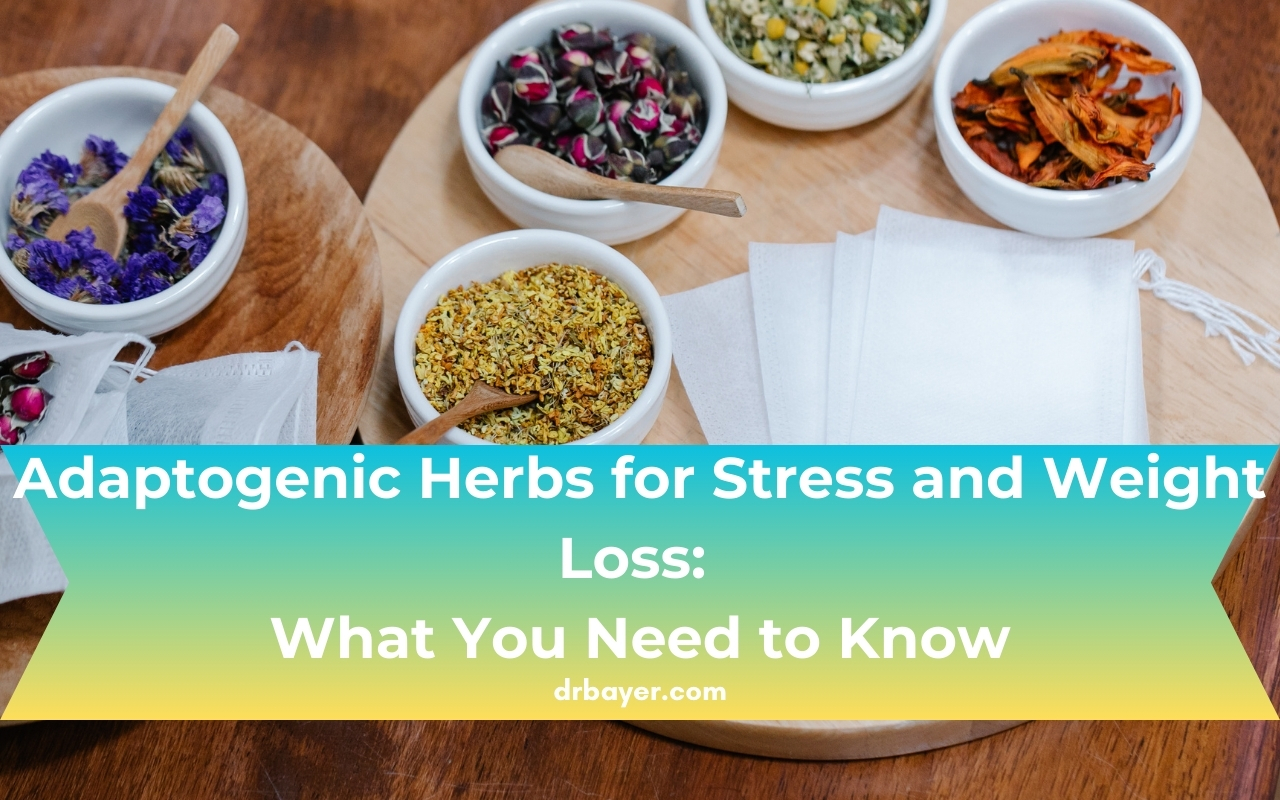
In today's fast-paced world, stress and weight management have become two major pillars of health that many individuals strive to balance. The pressures of daily life, combined with the relentless pursuit of wellness, can often feel overwhelming. However, there is a natural solution gaining popularity for its potential to help manage these challenges: adaptogenic herbs. These remarkable plant-derived substances not only support the body in coping with stress but may also play a role in weight loss. This article delves into the science behind adaptogens, their benefits for stress management and weight loss, and how to integrate them into your daily routine.
Understanding Adaptogens
Adaptogens are a unique class of herbs and natural substances recognized for their ability to help the body adapt to stressors—whether physical, emotional, or environmental. The term was first coined in the 1940s by Russian scientist N.V. Lazarev, who described these substances as capable of enhancing the body's nonspecific resistance to stress. Unlike stimulants, which can lead to temporary boosts followed by crashes, adaptogens work at a cellular level to bolster the body's resilience and restore balance.
These herbs are believed to influence the hypothalamic-pituitary-adrenal (HPA) axis, a complex network that regulates the body's response to stress. By modulating the release of stress hormones like cortisol and adrenaline, adaptogens promote a more balanced physiological response in the face of adversity. This unique property makes them particularly valuable for individuals experiencing chronic stress—a common affliction in our modern lives.
The Science Behind Stress and Weight Gain
To understand the connection between stress and weight gain, it is essential to recognize the role of cortisol, the primary stress hormone. When faced with stress, the body activates its “fight or flight” response, triggering the release of cortisol. While this acute response is beneficial in short bursts, prolonged activation—often caused by chronic stress—can lead to a range of negative health effects.
Elevated cortisol levels can result in increased appetite, cravings for high-calorie foods, and the promotion of fat storage, particularly around the abdomen. This is because cortisol not only stimulates hunger but also influences where the body deposits fat. The consequence is a cycle in which stress management becomes critical not just for mental well-being but also for maintaining a healthy weight.
Key Adaptogenic Herbs for Stress Relief
Several adaptogenic herbs have been identified for their potential to alleviate stress and its physical manifestations. Below, we explore some of the most well-researched adaptogens and their benefits.
Ashwagandha
Perhaps the most renowned adaptogen, ashwagandha (Withania somnifera) has been used in Ayurvedic medicine for centuries. This herb is celebrated for its ability to reduce cortisol levels, thereby mitigating the effects of chronic stress. Studies have shown that ashwagandha can significantly decrease anxiety and improve overall well-being.
In addition to its stress-relieving properties, ashwagandha is also linked to improvements in memory and cognitive function, which can further support emotional resilience amidst life's challenges. For those looking to manage their weight, ashwagandha may enhance endurance, increasing one’s ability to engage in physical activities conducive to weight loss.
Rhodiola Rosea
Rhodiola rosea, commonly known simply as rhodiola, is another powerful adaptogen known for its energizing yet calming effects. This herb has a long history of use in traditional medicine, particularly in Scandinavia and Russia. Rhodiola has been shown to help combat fatigue and improve mood, making it ideal for those experiencing the mental fatigue that often accompanies stress.
Research indicates that rhodiola may lower cortisol levels and enhance the body's resistance to stress. By improving energy levels and focus, it may also encourage better exercise adherence—an important factor in any weight loss journey. The combination of increased physical activity and reduced stress creates a synergistic effect that is beneficial for overall health.
Holy Basil
Holy basil, or tulsi, is a revered herb in Ayurvedic medicine, often referred to as the “queen of herbs.” This adaptogen is known for its ability to balance cortisol levels and support the body in adapting to stress. Holy basil has also been linked to improvements in mood and overall mental clarity, making it an excellent ally against the cognitive decline associated with chronic stress.
Moreover, this herb can contribute to metabolic health by stabilizing blood sugar levels, which can help curb cravings and reduce the likelihood of weight gain. By fostering emotional balance and promoting healthier eating habits, holy basil serves as a double-edged sword against the pressures of daily life.
Schisandra Berry
Schisandra chinensis, or schisandra berry, is another adaptogen that is gaining attention for its comprehensive health benefits. Traditionally used in Chinese medicine, schisandra is known for its ability to enhance vitality and endurance. It helps in reducing stress and improving physical performance, making it a popular choice among athletes.
Schisandra not only supports mental focus and clarity but also promotes liver health, which plays an essential role in detoxification. The combination of these benefits can aid in weight management, as a healthy body is better equipped to handle stress and inflammation—all factors that can hinder weight loss efforts.
The Role of Adaptogens in Weight Loss
Integrating adaptogens into a weight loss strategy can be an effective way to address both mental and physical challenges. By mitigating the adverse effects of stress on the body, these herbs help create a more conducive environment for weight loss. Here are a few ways adaptogens may contribute to successful weight management:
- Curbing Appetite and Cravings: By regulating cortisol levels and stabilizing blood sugar, adaptogens can help reduce cravings for unhealthy foods, leading to healthier eating patterns.
- Enhancing Energy Levels: Many adaptogens, such as rhodiola and ashwagandha, are known to improve energy and stamina, making it easier for individuals to engage in regular physical activity. Increased exercise is a vital component of any weight loss plan.
- Supporting Emotional Balance: By promoting a sense of calm and reducing anxiety, adaptogens help individuals better manage emotional eating—often a significant barrier to weight loss.
- Reducing Inflammation: Chronic stress can lead to inflammation, which affects metabolism and weight regulation. Many adaptogens possess anti-inflammatory properties, thus supporting overall health and aiding weight loss efforts.
Integrating Adaptogens into Your Daily Routine
Incorporating adaptogens into your daily regimen can be simple and enjoyable. Here are a few practical suggestions for how to do so effectively:
Supplements
One of the easiest ways to consume adaptogenic herbs is through supplements in capsule, powder, or tincture form. When selecting a supplement, it’s crucial to choose reputable brands with third-party testing and clear labeling to ensure quality and potency.
Herbal Teas
Herbal teas can be a soothing and enjoyable way to integrate adaptogens into your routine. Ashwagandha, holy basil, and rhodiola are commonly available as tea blends. Sipping on these teas can not only provide the benefits of the herbs but also serve as a relaxing ritual to help manage stress.
Food Incorporation
Many adaptogens can be added to various foods and smoothies. For instance, ashwagandha powder can be mixed into oatmeal, yogurt, or smoothies, while schisandra berries can be included in granola or baked goods. Experimenting with these herbs in cooking can open up new culinary possibilities while enhancing nutritional intake.
Mindfulness Practices
Combining adaptogens with mindfulness practices like meditation or yoga can amplify their benefits. Stress reduction techniques may enhance the efficacy of adaptogens, fostering a holistic approach to well-being. Engaging in these practices regularly can create a supportive environment for weight management and stress relief.
Potential Side Effects and Considerations
While adaptogenic herbs are generally considered safe for most individuals, it is essential to approach them with care. Some people may experience mild side effects, such as gastrointestinal discomfort, especially when starting out. As with any supplement, it is advisable to consult a healthcare professional before beginning an adaptogen regimen, especially for those who are pregnant, nursing, or on medication.
It’s also worth noting that the effectiveness of adaptogens can vary. Individual responses differ depending on personal health status, lifestyle, and specific needs. Therefore, it may take some experimentation to find the right adaptogen or combination that works best for you.
Conclusion
Adaptogenic herbs represent a promising avenue for managing stress and supporting weight loss goals. By enhancing the body’s resilience to stressors, these natural substances help create a balanced physiological environment conducive to overall health. With an increasing body of research supporting their benefits, adaptogens stand out as a vital tool in today’s wellness toolbox.
As you embark on your journey to better manage stress and weight, consider incorporating adaptogens into your routine. Not only can they help you regain equilibrium in a chaotic world, but they may also empower you to take charge of your health and well-being. Embrace the power of nature's remedies and unlock your potential for a healthier, more balanced life.
For further exploration of adaptogenic herbs and their benefits, consider visiting resources like Healthline and Scripps Health, which provide comprehensive insights into these fascinating plants and their role in modern wellness.
*These statements have not been evaluated by the Food and Drug Administration. This product is not intended to diagnose, treat, cure, or prevent any disease. Always consult with a qualified healthcare professional before starting any new supplement or health program, especially if you have existing medical conditions or take prescription medications.
Medical Disclaimer: This content is for informational purposes only and does not constitute medical advice. Always consult a qualified healthcare provider before starting any supplement, medication, or treatment program. Individual results may vary.
This article is for general information purposes only and does not constitute medical advice. Consult your doctor or qualified healthcare provider before making changes to your health routine.
Related Articles
- Gut Save Review 2026: A Clinical Look at the Digestive Support Blend
- Hello100 GLP-1 Booster Ingredient Analysis: Akkermansia Muciniphila and Inulin Mechanisms Explained
- FDA’s Latest Move on GLP-1: How Supplements Support Natural Weight Management