By DrBayer.com Editorial Team
Disclosure: This article may contain affiliate links. If you click a link and make a purchase, we may receive a commission at no additional cost to you. All opinions remain our own.
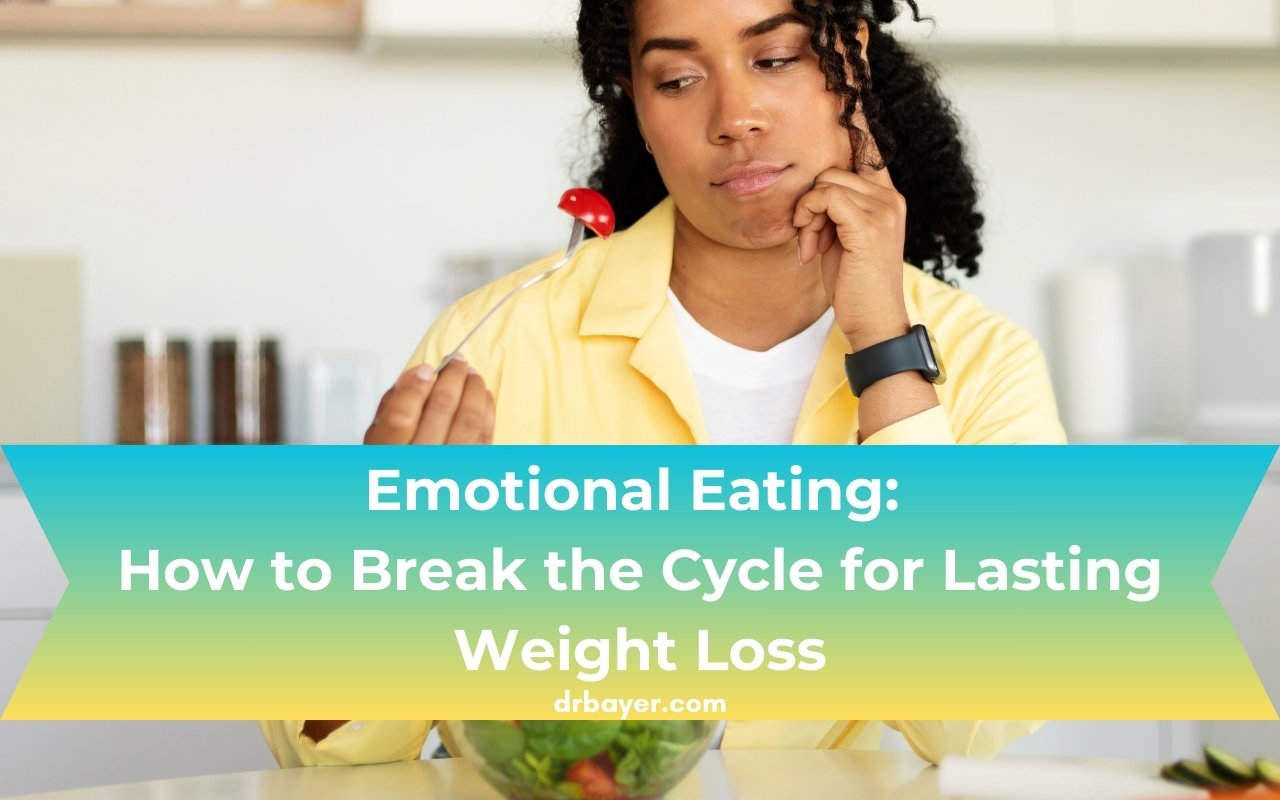
Emotional eating is a prevalent issue that affects many individuals seeking to manage their weight and improve their overall well-being. It involves consuming food not merely for hunger, but to soothe or cope with negative emotions like stress, anxiety, and sadness. Unfortunately, this habit can lead to weight gain, a cycle of guilt and shame, and ultimately undermine one's health goals. Understanding the roots of emotional eating and learning effective strategies to combat it are vital steps towards breaking the cycle and achieving lasting weight loss.
The food we eat is often intertwined with our emotional state; for many, food serves as a source of comfort. When faced with challenges—be it a stressful day at work, personal relationship issues, or even a moment of boredom—individuals may turn to food as a means of coping. This pattern can stem from childhood experiences where food was used as a reward or a means of distraction. Recognizing this connection is crucial in addressing the habit and finding healthier alternatives.
The first step in breaking the cycle of emotional eating is to identify your triggers. Pay close attention to the situations and feelings that prompt the desire to eat. Keeping a food and mood journal can be incredibly beneficial. By documenting not only what you eat but also how you feel before and after eating, you can begin to see patterns emerge. For instance, do you tend to snack when you are stressed, bored, or anxious? Tracking your emotions and eating habits will help you identify the underlying motivations for your eating behaviors, making it easier to devise strategies for change.
Once you have identified your triggers, the next logical step is to develop healthier coping mechanisms. Instead of resorting to food as a comfort, think about other activities that can bring you solace or joy. Engaging in physical activities, such as going for a brisk walk or practicing yoga, can not only elevate your mood due to the release of endorphins but can also provide a productive outlet for your feelings. Other alternatives might include reading a book, meditating, or talking to a trusted friend who can offer support and guidance.
Mindful eating is another important strategy in combating emotional eating. This approach emphasizes being fully present during meals and snacks. By focusing on the taste, texture, and aroma of your food, as well as listening to your body's hunger cues, you can cultivate a more conscious relationship with eating. This practice not only enhances the eating experience but also reduces the likelihood of binge eating, as you become attuned to the sensations of hunger and fullness. Moreover, eliminating distractions during meals—such as turning off the television or putting down your phone—can further enhance your mindfulness and help you enjoy your food more fully.
Setting realistic and sustainable weight loss goals is another key factor in overcoming emotional eating. It is vital to approach weight management as a gradual process rather than seeking immediate results. Understand that it took time to gain weight, and similarly, it will require time to lose it. Instead of fixating solely on the number on the scale, focus on the small changes you can implement daily. Aim for progress, not perfection, as this mindset will help you build momentum and resilience over time.
Reevaluating your relationship with food can also aid in breaking the emotional eating cycle. Rather than viewing food as a source of comfort or a reward for hard work, try to see it as nourishment for your body. This shift in perspective can help you make healthier choices that align with your well-being goals. Moreover, allow yourself to indulge in your favorite treats occasionally without judgment. Restricting certain foods can lead to feelings of deprivation and, ultimately, binge eating. Instead, practice moderation by savoring smaller portions and truly enjoying those indulgences.
When dealing with emotional eating, it might also be helpful to seek professional guidance. Nutritionists, therapists, and counselors can provide insight into your eating patterns and help develop a personalized plan suited to your needs. Cognitive-behavioral therapy (CBT) can be particularly effective, as it addresses the thoughts and emotions associated with eating. With expert support, you can learn to challenge negative thought patterns and develop healthier coping mechanisms.
In addition to professional help, social support plays a crucial role in breaking the cycle of emotional eating. Share your goals with friends or family members who can provide encouragement and accountability. Joining a support group or engaging with communities focused on healthy living can also foster motivation and provide an opportunity to connect with others facing similar challenges.
As you embark on this journey to combat emotional eating, remember to practice self-compassion and patience. Change is a gradual process, and setbacks are a natural part of any significant lifestyle adjustment. Instead of being overly critical of yourself when you slip, reflect on what triggered the emotional eating episode and consider how you might manage that situation differently in the future. Celebrating small victories along the way will help you stay motivated and reinforce positive behaviors.
In conclusion, breaking the cycle of emotional eating is an achievable goal that can lead to lasting weight loss and improved mental health. By recognizing triggers, developing healthier coping mechanisms, practicing mindful eating, and seeking support, you can redefine your relationship with food. Remember, your journey towards emotional well-being and health is a process worth undertaking. Embrace the small steps you take towards change, and be patient with yourself as you learn new habits that foster a healthier lifestyle. With determination and the right strategies, you can successfully navigate the challenges of emotional eating and move forward to achieve your weight loss goals.
For further insights and support on emotional eating, consider exploring resources such as KidsHealth and Mount Sinai. These platforms offer practical tips and insights to help individuals understand and confront emotional eating effectively.
*These statements have not been evaluated by the Food and Drug Administration. This product is not intended to diagnose, treat, support, or prevent any disease. Always consult with a qualified healthcare professional before starting any new supplement or health program, especially if you have existing medical conditions or take prescription medications.
Medical Disclaimer: This content is for informational purposes only and does not constitute medical advice. Always consult a qualified healthcare provider before starting any supplement, medication, or treatment program. Individual results may vary.
This article is for general information purposes only and does not constitute medical advice. Consult your doctor or qualified healthcare provider before making changes to your health routine.
Related Articles
- Gut Save Review 2026: A Clinical Look at the Digestive Support Blend
- Hello100 GLP-1 Booster Ingredient Analysis: Akkermansia Muciniphila and Inulin Mechanisms Explained
- FDA’s Latest Move on GLP-1: How Supplements Support Natural Weight Management