The information in this article is based on peer-reviewed research, published clinical studies, and guidance from recognized health organizations including the National Institutes of Health (NIH) and the FDA. Individual results and experiences may vary.
By DrBayer.com Editorial Team
Disclosure: This article may contain affiliate links. If you click a link and make a purchase, we may receive a commission at no additional cost to you. All opinions remain our own.
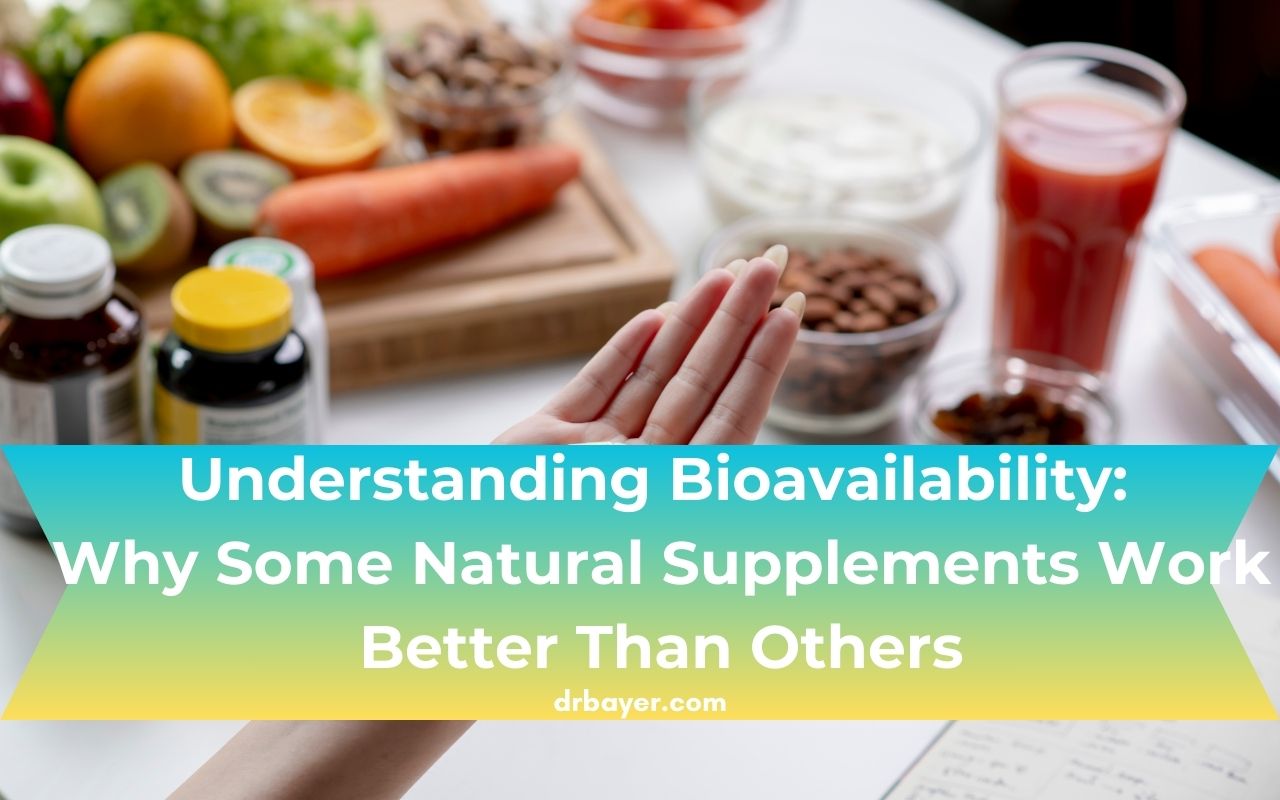
Bioavailability is a fundamental concept that defines the efficacy of natural supplements and their ability to deliver intended health benefits. Understanding how bioavailability works and the various factors that influence it will empower consumers to make informed decisions when choosing supplements. This article delves into the intricate world of bioavailability, exploring why some natural supplements outperform others and how to maximize their potential benefits in a holistic approach to health.
At its core, bioavailability refers to the proportion of a nutrient or supplement that enters the bloodstream and is made available for use by the body after ingestion. While it may seem straightforward, the mechanisms governing bioavailability are complex and multifaceted. Different nutrients have varying degrees of bioavailability, influenced by factors such as the nutrient's chemical form, the presence of other substances, and individual physiological variations.
The journey of a nutrient begins when it is ingested. Once inside the digestive system, the nutrient must undergo several processes to be absorbed into the bloodstream. The efficiency of this absorption can be impacted by a range of factors, including the nutrient’s solubility, the formulation of the supplement, and the individual's unique physiology. For instance, some vitamins and minerals are better absorbed in their natural forms rather than as synthetic compounds.
One crucial aspect of bioavailability lies in the chemical form of a nutrient. Taking iron as a prime example, it is available in two primary forms: heme iron, primarily found in animal sources, and non-heme iron, obtained from plant sources. Research has shown that heme iron is significantly more bioavailable than non-heme iron, meaning the body more readily absorbs it. This difference is crucial for individuals adhering to plant-based diets, as they may need to enhance their intake of vitamin C to improve the absorption of non-heme iron from food sources.
Moreover, the interplay of nutrients can also affect bioavailability. Some nutrients work synergistically, enhancing each other’s absorption. For example, fat-soluble vitamins (A, D, E, and K) require dietary fats for optimal absorption. Consuming a meal rich in healthy fats can help facilitate the absorption of these vitamins, ensuring that the body can utilize them effectively. On the flip side, certain combinations may inhibit nutrient absorption. For instance, high amounts of calcium can inhibit the absorption of iron, highlighting the need for a balanced approach to supplementing.
The formulation and delivery method of supplements can also play a pivotal role in bioavailability. Traditional solid forms, such as tablets and capsules, may have slower absorption rates compared to liquid formats. Formulations that enhance solubility, like liposomal encapsulation, have gained popularity as they protect nutrients from degradation and improve absorption through the intestinal barrier. These advancements underscore the importance of choosing high-quality supplements that utilize innovative delivery systems to maximize bioavailability.
Individual physiological factors further complicate the bioavailability equation. Age, sex, genetic predispositions, and overall health can significantly influence how well a nutrient is absorbed and utilized. For instance, the presence of certain genetic polymorphisms may impair an individual's ability to convert synthetic folic acid into its active form, thus requiring a more bioavailable source, such as methylfolate. Similarly, factors like gut health and microbiota composition can impact nutrient absorption, as a balanced gut environment supports effective digestion and assimilation of nutrients.
The motivation for understanding bioavailability transcends mere academic curiosity. It empowers individuals to take charge of their health by maximizing the benefits of supplementation. By making informed choices based on the principles of bioavailability, one can optimize nutritional intake and enhance overall wellness. For instance, selecting supplements with high bioavailability can potentially reduce the need for higher doses, minimizing the risk of side effects while achieving therapeutic effects.
Moreover, the landscape of natural supplements is rife with marketing claims that can often lead to confusion. Enhanced bioavailability is frequently touted as a selling point, but consumers must scrutinize these claims. Does improved bioavailability truly translate to better clinical outcomes? Addressing this question requires a careful examination of the evidence and a consideration of individual health needs. Pharmacokinetic studies can provide insights into the relative bioavailability of different formulations, yet informed consumers must also consider how these studies translate to real-world effectiveness and clinical relevance.
Studies have shown that the bioavailability of certain vitamins and minerals can vary dramatically based on their sources and the methods of consumption. A meta-analysis indicated that liquid forms of vitamin supplements might provide higher absorption rates compared to traditional pills. Nutritional Medicine Journal. Furthermore, understanding how different cooking methods can alter the bioavailability of nutrients in food is imperative. For example, cooking carrots increases the availability of carotenoids, thus optimizing vitamin A absorption. This knowledge emphasizes the need for a well-rounded dietary approach, incorporating a balance of both supplements and whole foods.
In light of all these considerations, consumers are encouraged to adopt a personalized approach to supplementation. Consulting with healthcare professionals, specifically those knowledgeable in functional medicine or nutrition, can provide invaluable insights tailored to individual health profiles. A targeted approach allows one to address specific deficiencies or health conditions, rather than relying on generic multivitamins that may not meet individual needs.
Additionally, maintaining a healthy gut microbiome through a balanced diet rich in prebiotics and probiotics can enhance the bioavailability of nutrients, making them more accessible to the body. By fostering gut health, individuals can support the absorption of essential vitamins and minerals, ultimately contributing to overall health.
In conclusion, understanding bioavailability is crucial for anyone seeking to optimize their natural supplement regimen. The complex interplay of chemical forms, dietary interactions, individual physiology, and delivery systems all contribute to the efficacy of supplements. By focusing on high-quality formulations, considering the synergy between nutrients, and tailoring supplementation to individual needs, consumers can maximize the health benefits of natural supplements. Empowerment through knowledge is the key to achieving optimal health and well-being in today's fast-paced world.
*These statements have not been evaluated by the Food and Drug Administration. This product is not intended to diagnose, treat, support, or prevent any disease. Always consult with a qualified healthcare professional before starting any new supplement or health program, especially if you have existing medical conditions or take prescription medications.
Medical Disclaimer: This content is for informational purposes only and does not constitute medical advice. Always consult a qualified healthcare provider before starting any supplement, medication, or treatment program. Individual results may vary.
This article is for general information purposes only and does not constitute medical advice. Consult your doctor or qualified healthcare provider before making changes to your health routine.
Related Articles
- TurboMan Review 2026: Clinical Findings, Pricing, and Formula Gaps
- Doctor-Approved Natural Strategies for Supporting Male Performance & Confidence
- The Future of Natural Male Enhancement: Integrating Science with Traditional Remedies