
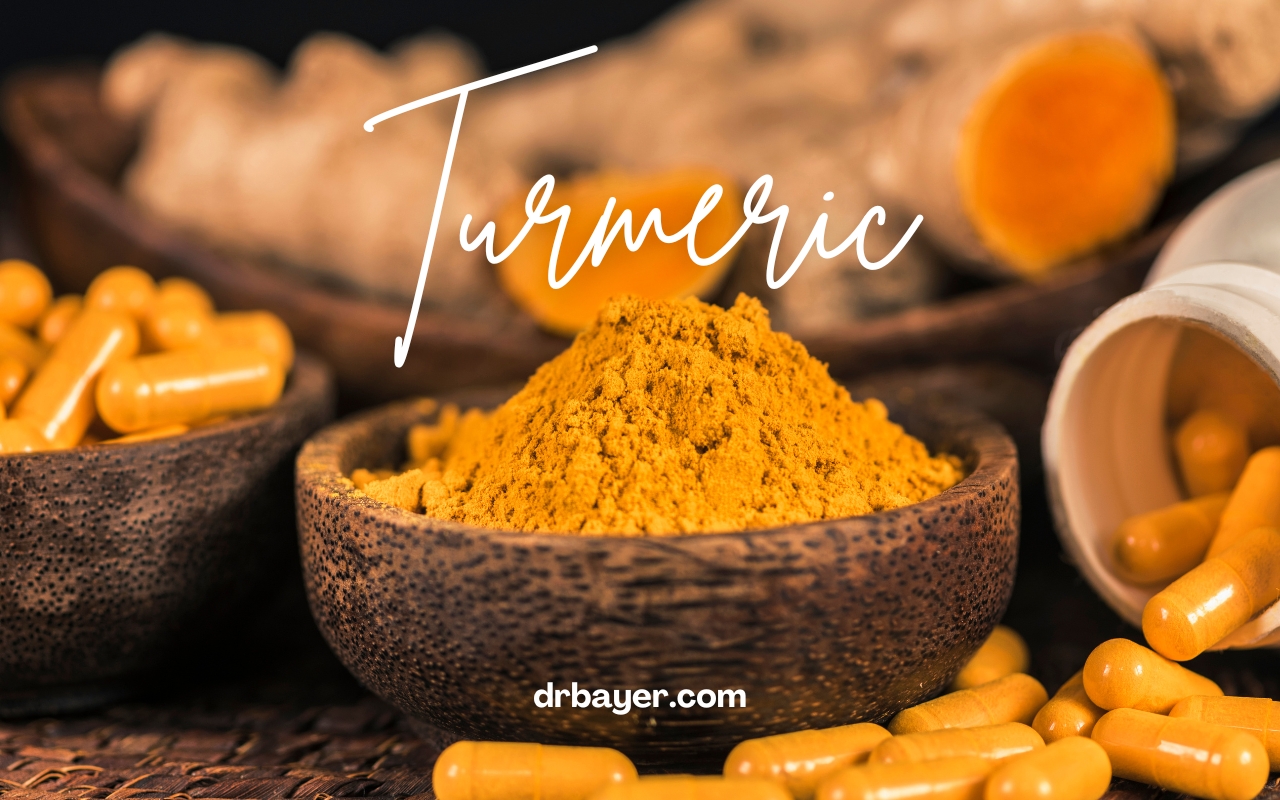
At DrBayer.com, our mission is to provide readers with science-backed information that enhances their health and well-being. One of the natural remedies we often recommend as part of a holistic approach to healthcare is turmeric (Curcuma longa). Known for its vibrant color and powerful health benefits, turmeric offers a natural and effective way to support whole-body health.
What Makes Turmeric a Superfood?
Turmeric’s primary active ingredient, curcumin, is responsible for many of its therapeutic properties. Curcumin is a potent antioxidant and anti-inflammatory compound, which allows turmeric to address multiple aspects of health, from reducing inflammation to boosting immunity.
Key Health Benefits of Curcumin
- Anti-Inflammatory Properties: Curcumin inhibits inflammatory molecules such as cytokines and enzymes, which may help manage chronic inflammation linked to numerous health conditions.
- Antioxidant Effects: It neutralizes harmful free radicals, protecting the body’s cells from oxidative damage and supporting overall wellness.
- Enhanced Immune Function: Curcumin modulates the immune system, promoting resilience against infections and reducing the risk of chronic illnesses.
How Turmeric Supports Whole-Body Health
1. Joint Health and Pain Management
For readers struggling with arthritis or joint pain, turmeric offers a natural alternative to over-the-counter anti-inflammatory medications. Studies have shown that curcumin can reduce joint pain and improve mobility, particularly in individuals with osteoarthritis and rheumatoid arthritis.
2. Digestive Support and Gut Health
A healthy digestive system is critical for nutrient absorption and overall health. Curcumin stimulates bile production, which aids in the digestion of fats and alleviates symptoms of indigestion, including bloating and gas. Turmeric's anti-inflammatory properties can also benefit those with inflammatory bowel diseases like ulcerative colitis.
3. Cardiovascular Health
Heart health is a primary concern for many of our readers. Turmeric supports cardiovascular wellness by:
- Improving Endothelial Function: Enhancing the health of the lining of blood vessels, which is vital for blood pressure regulation.
- Preventing Plaque Buildup: Curcumin may reduce cholesterol levels and prevent the oxidation of LDL (bad) cholesterol, which contributes to plaque formation in arteries.
- Reducing Blood Clots: By inhibiting platelet aggregation, turmeric may lower the risk of clot-related conditions such as heart attacks and strokes.
4. Cognitive Function and Brain Health
Research suggests that curcumin may support brain health by boosting levels of brain-derived neurotrophic factor (BDNF), a protein linked to improved memory and cognitive function. Additionally, curcumin's anti-inflammatory effects may reduce the risk of neurodegenerative diseases, including Alzheimer's and Parkinson's disease.
5. Immune System Enhancement
A strong immune system is essential for preventing infections and maintaining overall health. Curcumin enhances the body’s natural defenses by modulating the immune response, offering support against seasonal illnesses and contributing to long-term wellness.
6. Metabolic and Weight Management Benefits
For those focusing on weight management, turmeric may help regulate metabolism and improve insulin sensitivity. Early studies suggest curcumin may play a role in reducing the risk of metabolic syndrome and supporting healthy weight loss when combined with a balanced diet and regular exercise.
How to Incorporate Turmeric into Your Routine
- Culinary Use: Add turmeric to soups, stews, curries, and smoothies for a flavorful and health-boosting twist.
- Golden Milk: Create a warm beverage with turmeric, milk (or a dairy-free alternative), black pepper, and honey for a soothing and anti-inflammatory drink.
- Supplements: If higher doses are needed for therapeutic effects, consider taking a high-quality curcumin supplement. Look for formulations with piperine (found in black pepper) to enhance absorption.
Recommended Dosage
For general health maintenance, consuming turmeric as a spice is safe and beneficial. For targeted health support, curcumin supplements of 500-2,000 mg per day may be recommended, depending on the condition being treated. Always consult with a healthcare provider to determine the appropriate dosage for your specific health needs.
Safety and Precautions
While turmeric is generally safe, high doses of curcumin may cause:
- Gastrointestinal Upset: Such as nausea or diarrhea.
- Increased Bleeding Risk: Particularly for those taking anticoagulant medications.
- Blood Sugar Fluctuations: Individuals with diabetes should monitor their blood sugar levels closely.
Pregnant and breastfeeding women should avoid turmeric supplements unless advised by a healthcare provider. Additionally, it is important to discuss turmeric use with your doctor if you are on medication or managing a health condition.
Conclusion: Integrating Turmeric into a Whole-Body Wellness Plan
At DrBayer.com, we believe in blending traditional medical treatments with natural remedies like turmeric to provide comprehensive care. Turmeric's wide-ranging benefits—from supporting joint health and enhancing digestion to promoting brain function and boosting immunity—make it a versatile addition to any health regimen.
Empower your health naturally—let turmeric be part of your journey to whole-body health!